Author: catsynth

  • CatSynth Pic:  Zatoichi and Metasonix G-1000 (F**king F**ker)

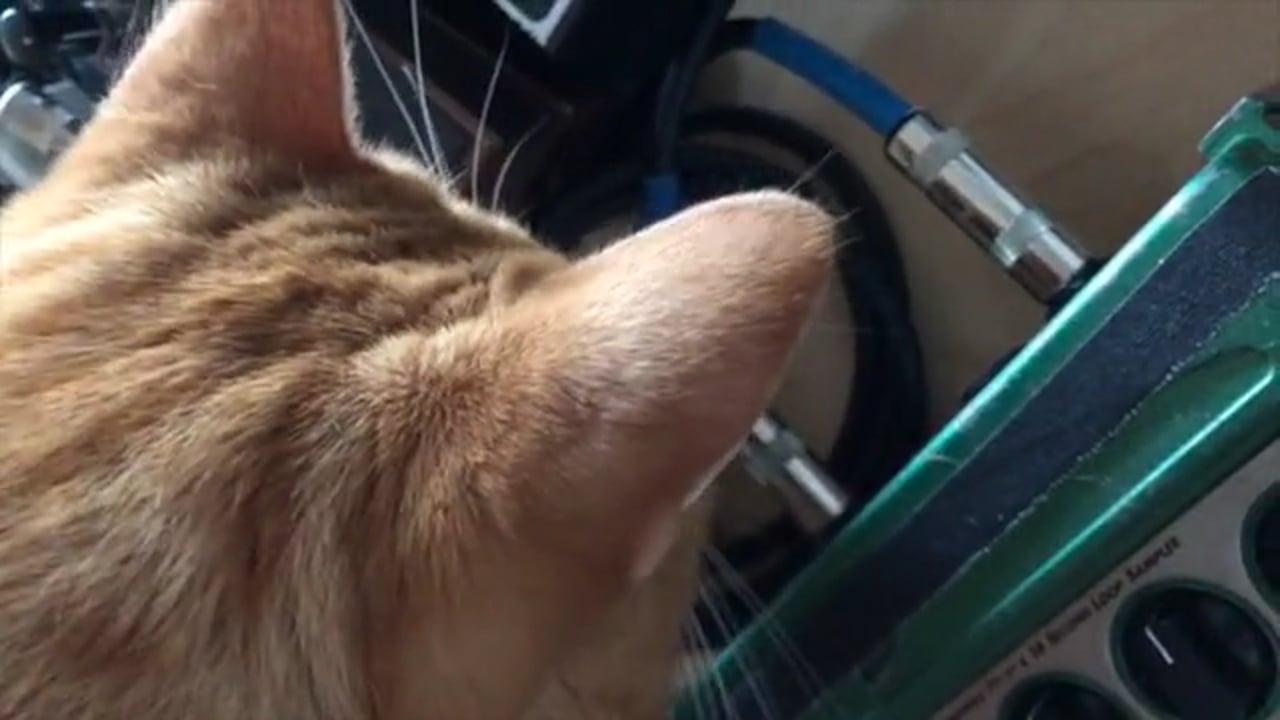
    CatSynth Pic: Zatoichi and Metasonix G-1000 (F**king F**ker)

    Our friends at Metasonix are notorious for the colorful names on their products (especially the pre-modular pedals). Here we see Zatoichi the cat posing with the G-1000 “Fucking Fucker”, a mangling tube-based guitar amp.

    Here is a demo of the G-1000 from Big City Music.

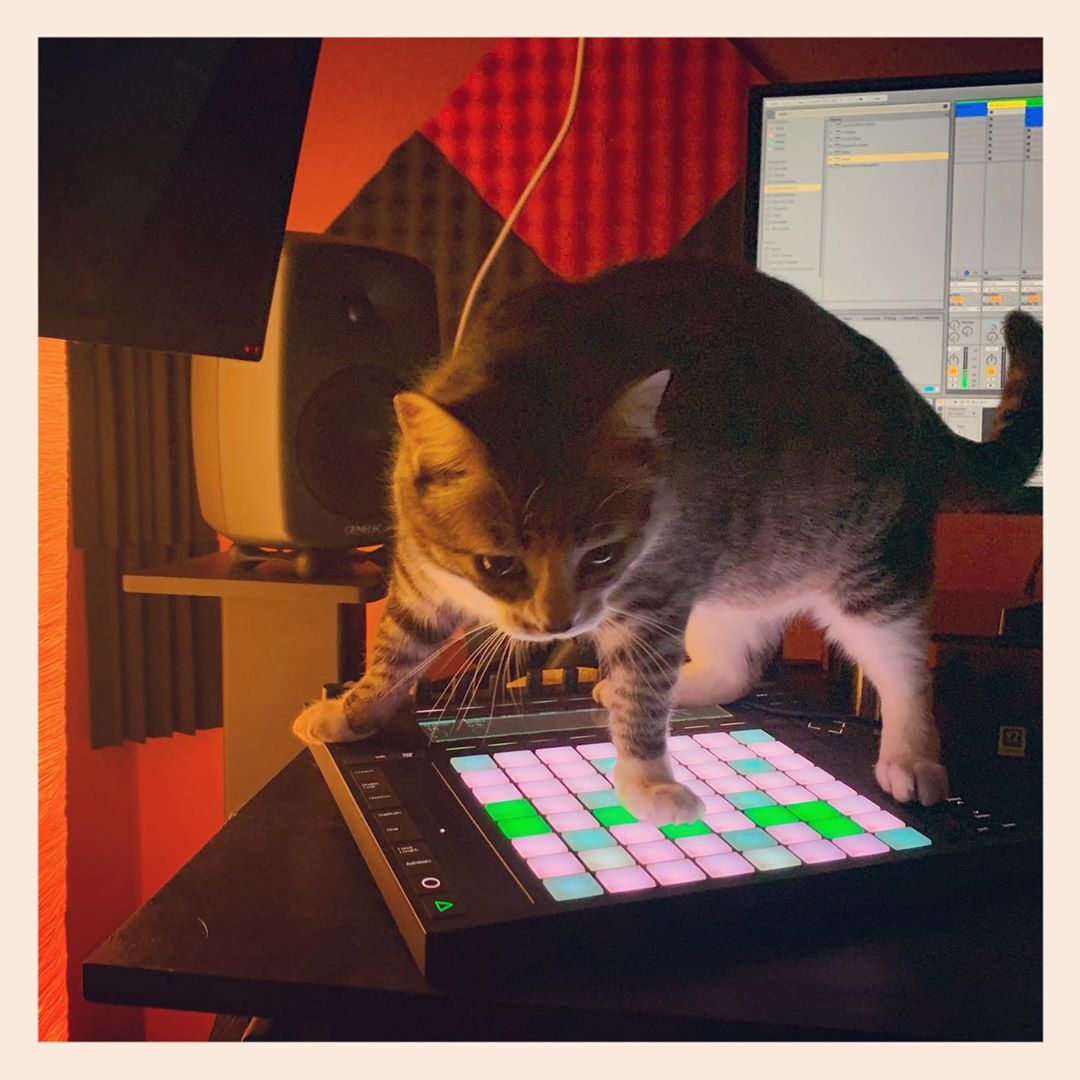
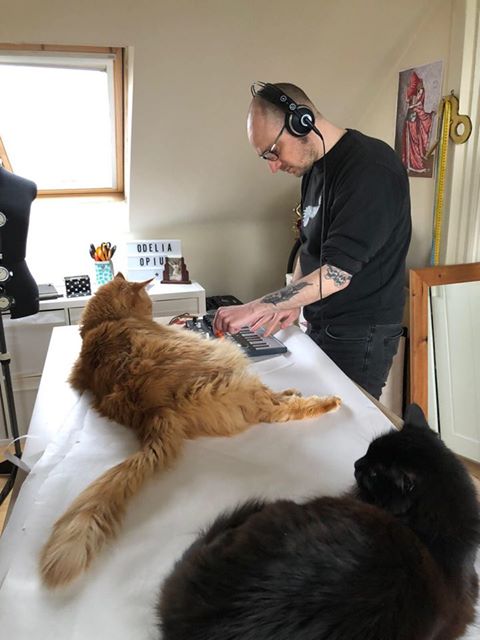
  • CatSynth Pic: New Cat Module

    It looks like someone managed to integrate their cat into their Eurorack system. From klusa_daba_music via Instagram.

    new kind of modular, sounds really organic πŸ¦‘πŸ¦‘

  • CatSynth Pic: Merce, Jomox Resonator Neuronium, MicroKORG, and Fluxus

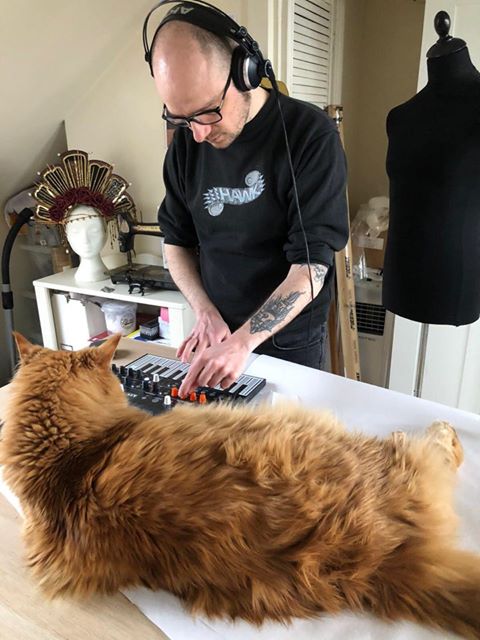
    CatSynth Pic: Merce, Jomox Resonator Neuronium, MicroKORG, and Fluxus

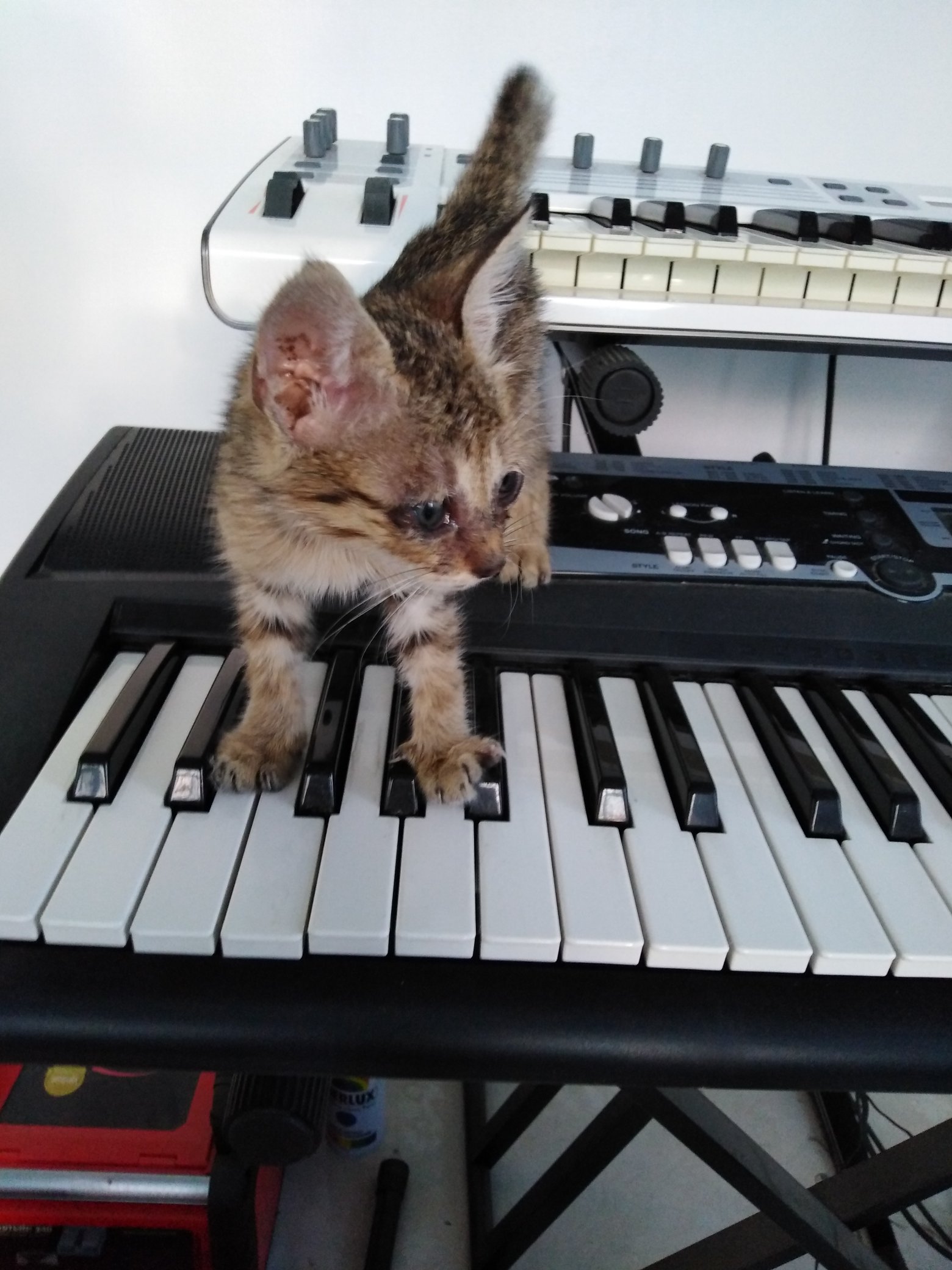
    Our friend Merce joins us again, with the Jomox Resonator Neuronium along with the MicroKORG. He also shares this classic Fluxus piano piece by George Brecht.

    When you can’t even get a Fluxus piece right. George Brecht, β€œ3 Piano Pieces,” from Water Yam, 1962

    Even we at CatSynth sometimes find it hard to Fluxus right in these anxious times.

  • CatSynth Pic: LepLoop

    CatSynth Pic: LepLoop

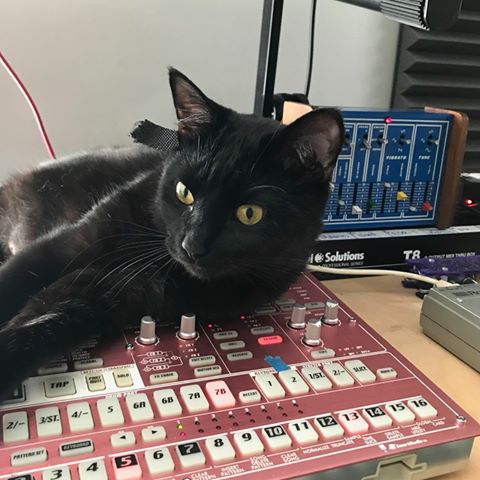
    A rare LepLoop synthesizer and groove box in front of a fanciful feline artwork. From LepLoop on Instagram.

    We at CatSynth are not particularly familiar with the LepLoop, so we looked it up. Here is a brief summary from a 2016 Sound On Sound article.

    The LepLoop is an analogue synth, sequencer and percussion module all the way from sunny Italy. Hand-built into a light wooden enclosure, this tiny groovebox is pock-marked with patch points and able to hook up with MIDI, CV or DIN Sync gear. Regardless of its connectivity, the LepLoop inhabits a wayward world of its own when it comes to traditions such as melody and control. This is because at its heart is a sample and hold generator that provides source material for a looping analogue sequencer. Notes generated at random are captured and β€” if you like what you hear β€” worked on until you feel like dipping in again.

    Inside are two VCOs, a noise source, a low-pass filter, a dedicated bass drum, twin VCAs (each with a simple envelope) and a switching system offering near-modular flexibility.

    https://www.soundonsound.com/reviews/lep-leploop
  • Wordless Wednesday: Lucky Cat

    Wordless Wednesday: Lucky Cat

    “Lucky cat” figurine purchased in Shanghai, China in 2009. It appears in many of our synth-demo videos.

  • CatSynth Pic: Bill on Quarantine (Vintage Synthesizer Museum)

    CatSynth Pic: Bill on Quarantine (Vintage Synthesizer Museum)

    Bill enjoys the quarantine life with an Arturia MicroFreak and sundry Strymon pedals. Via our friends at the Vintage Synthesizer Museum.

    You can see our visit to the Vintage Synthesizer Museum earlier this year in this video.

    This was from the beginning of February. Not so long ago in time, but a world away from where we are now.

  • CatSynth Pic: Fluff and Roland SH-101

    CatSynth Pic: Fluff and Roland SH-101

    Fluff loves his Roland SH-101. Here we see him ready to tweak the VCF on this classic synthesizer.

    Submitted by Rene Ubachs via our Facebook page.

  • CatSynth Pic: Self-Oscillating

    CatSynth Pic: Self-Oscillating

    We at CatSynth have been enjoying this meme over the last half-year. But this may be my favorite instance to date πŸ˜ΉπŸŽΉπŸŽ›.

    The first synth I had that could self-oscillate was the Evolver from Dave Smith Instruments (now Sequential). I enjoyed performing with the “fifth oscillator” as I called it. Since then I have found myself experimenting with such phenomena on many a module.

  • Wordless Wednesday: Yerba Buena

    Wordless Wednesday: Yerba Buena

    Yerba Buena Gardens in San Francisco, a couple of weeks ago.

  • RIP Manu Dibango 1933-2020

    RIP Manu Dibango 1933-2020

    We say goodbye to another musical hero. Manu Dibango passed away today at his home in France, apparently of complications from Covid-19.

    Like many others, I knew Dibango’s music initially through the song “Soul Makossa.” I had heard it on and off over the years, but it was after delving more seriously into the history of 1970s disco in 2010 that I rediscovered the song and its connection to the early disco gatherings of New York including David Mancuso’s Loft parties. It was a B-side of a single that Mancuso found and it became an instant proto-disco hit, and on regular rotation in my own playlist in the early 2010s. It also went on to be a major influence on R&B and funk. It was instantly recognizable with the chat “Soul Makossa”, Dibango’s growling saxophone and catchy horn hook.

    Dibango was originally from Cameroon – indeed makossa is a traditional style of Cameroonian music and came up in central Africa’s jazz scene, including African Jazz in Kinshasa, Congo. Over the years he has collaborated with other heroes of ours including Fela Kuti and Herbie Hancock, with whom he recorded the album Electric Africa in the 1980s.

    It is jarring to hear of Dibango’s death being so connected to the current crisis, and certainly not the last. His music represents, at least for me, simpler and brighter times, the optimism and nostalgia of the 1970s, and more. RIP.