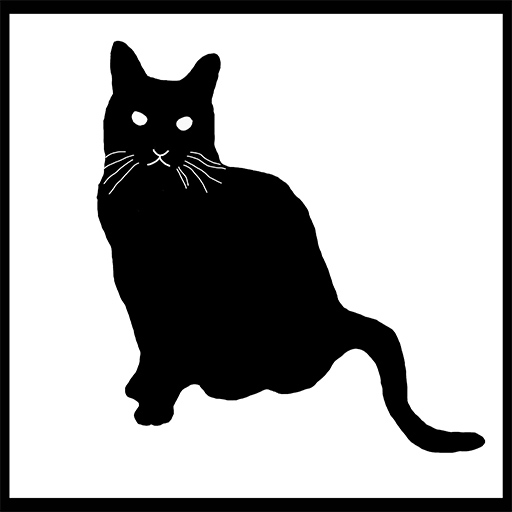


Luna and I welcome everyone to the autumnal equinox edition of Weekend Cat Blogging. For us, the changing of the season is more of a formality, but there is no escape from the shrinking days. And for those of us in the U.S., daylight is not the only thing in decline this week.
But I digress. This is about celebrating our feline friends. And we would love to have you all participate. So please leave us a comment with your (cat related) links, and we’ll add you to the round-up…
And with that, let us get started…
 We at CatSynth know that it can be challenging to photograph black cats. But it’s well worth the effort, as in this lovely expressive portrait of Maruschka. Definitely not camera shy.
 More expressive black cats. Puddy displays some serious ‘tude after refusing to sit still for the camera. This is of course another challenge of cat photography, and Katie is giving up on getting a “pretty photo” for this weekend. We of course still think Puddy is pretty.
 Samantha does her impersonation of monorail cat atop a chair, at Life from a Cats Perspective.
 We now move from black to white, with August, the handsome British shorthair gentleman at The World According to Pia. Check out his baby photo as well, you can see how much he has grown.
 At Anne’s Food, the white kitten Klara is not enjoying her first outing. Luna did not enjoy her first outing either, though as the top photo suggests, she’s becoming queen of our balcony patio. So Klara may come to appreciate the fresh air and grass soon enough.
 Meanwhile, Salome enjoys some scritches while Kashim helps himself to the big pot of cat grass that Astrid bought. The weather is turning in Vienna, getting colder and rainer. So less time out on the balcony, and Othello does like this at all.
 Our friend kitikata-san presents Weekend Animal Blogging. Animals of many species share shelter, and perhaps friendship, as they ride out hurricane Gustav. It’s a wonderful image, one that humans can learn from.
 At The Sour Dough, LB is delighted to have his mom home sooner. He is also enjoying his new mouse toy. We at CatSynth are also curious about the wine that Breadchick has brought back…
Thanks for joining us for Weekend Cat Blogging. We will continue to post entries through Monday as we receive them.


